
01 / 08
A systems keynote opening
The System Layer for AI Agents
AI agents have become long-running operating-system workloads.
02 / 08
Operating systems execute instructions.
Agents execute intentions.
Today's OS
?
Semantic gap
Today's agent
03 / 08
Imagine an agent works for
1 week.
Which actions mattered?
A syscall trace can reconstruct execution. It cannot tell you which attempt changed the design, which retry repeated a failure, or why the agent moved its attention to another part of the codebase.
09:12:04 read() AGENTS.md
09:14:27 execve() cargo test
11:38:51 write() src/policy.rs
14:02:08 connect() model API
19:47:33 execve() git diff
... processes, files, tools, prompts, retries ...
Day 3 write() paper/figure-4.pdf
04 / 08
Observe
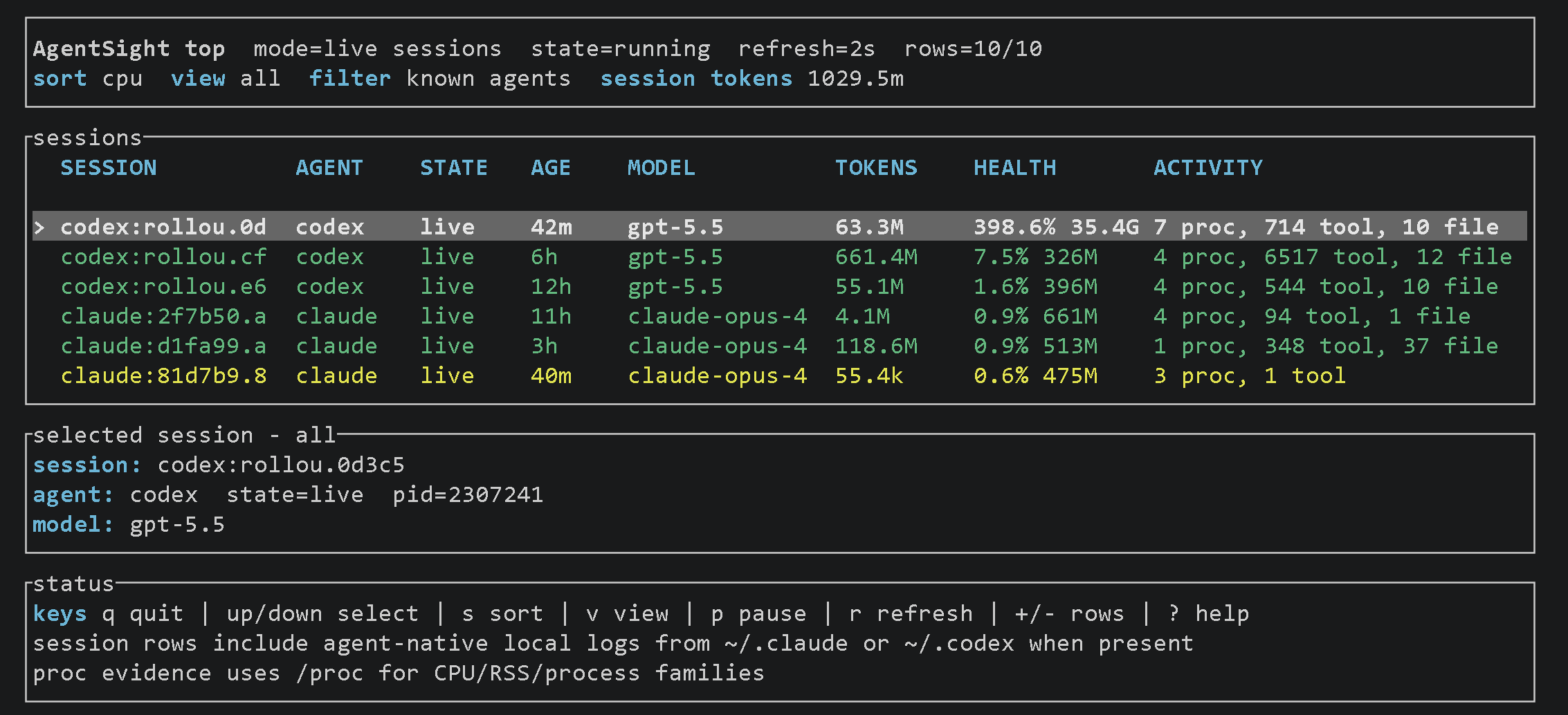
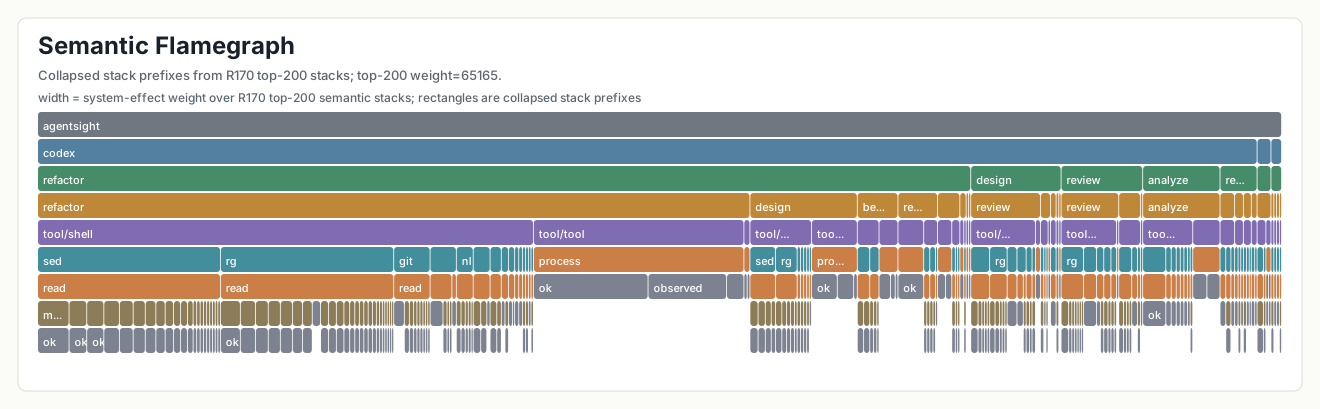
Observe execution semantically.
AgentSight connects prompts, models, and tool decisions to the processes, files, network activity, and resources that carried them out.
05 / 08
Enforce
Visibility is not enough.
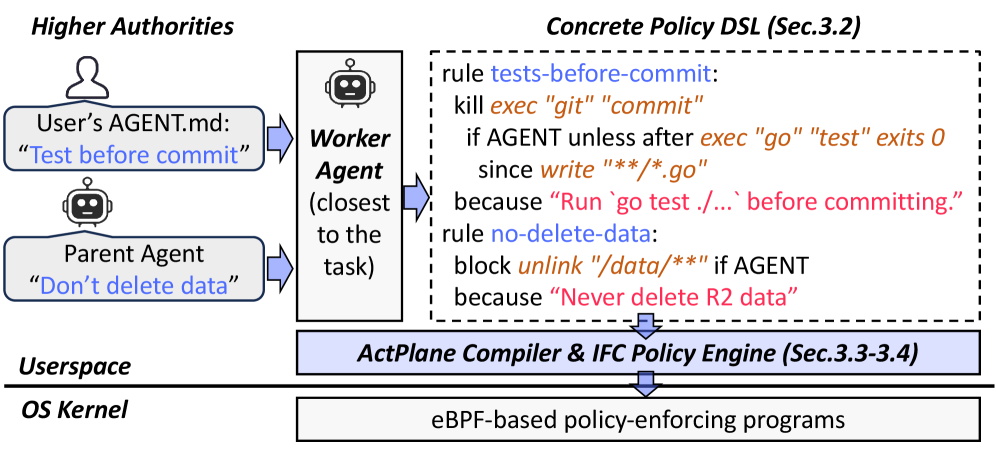
A useful policy can depend on what happened earlier. If source files changed after the last test, a commit should wait until the new code passes.
git commit
Denied.
Tests never passed after the latest source change.
06 / 08
Policy
Policies should become operating-system primitives.
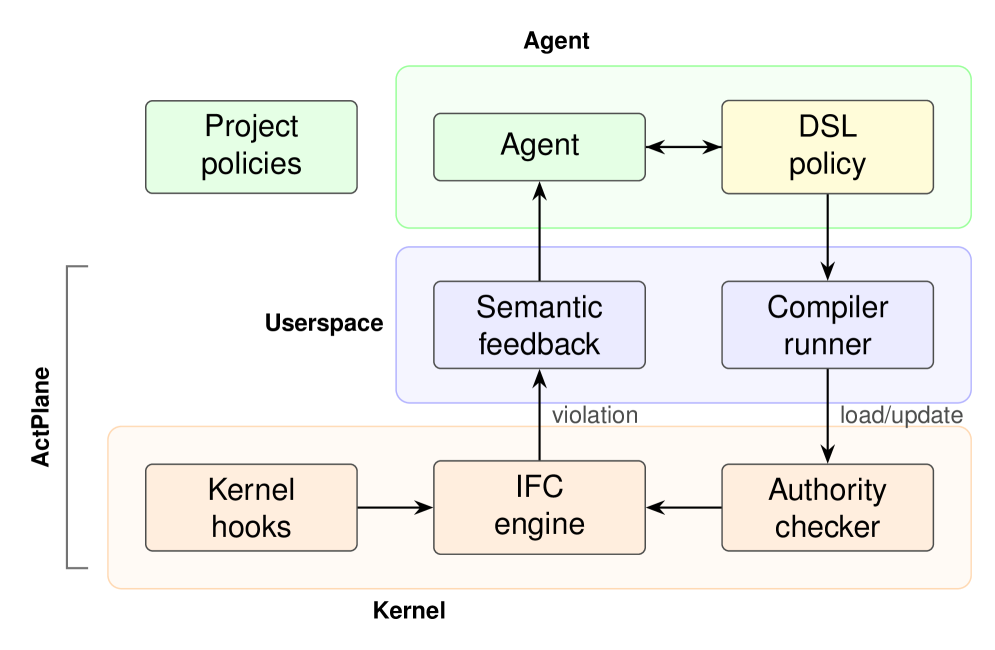
ActPlane carries intent and temporal context into the execution path, then returns a concrete reason when an action violates the rule.
Intent
What outcome is being protected?
Context
What happened earlier in this task?
Policy
What condition must hold now?
Execution
Allow, block, kill, or notify.
Feedback
Give the agent a compliant next step.
07 / 08
Continuity
Long-running agents deserve continuity.
Agent sessions contain decisions, commands, failed attempts, and private working context. Akeep preserves the provider-native files as versioned history so work can be inspected and recovered without turning it into another agent-memory format.
Day 1 akeep commit -m "first working path"
Day 2 akeep commit -m "after failed migration"
Day 7 akeep diff HEAD~1 HEAD
Provider changed. Laptop failed. The history remains inspectable.
akeep fsck HEAD
akeep checkout HEAD --to /tmp/recovery
Continue.
08 / 08
Vision
The system layer for AI agents.
We are exploring the missing operating-system abstractions between agent applications and Linux.
AI applications
Claude Codex OpenCode Grok Kimi ...
Agent system layer
Observe
AgentSight
Enforce
ActPlane
Recover
Akeep
Schedule
Open
Checkpoint
Open
Capability
Open
Resource control
Open
Isolation
Open
System foundation
Linux eBPF Containers Filesystems Kernel
Open source. Grounded in Linux. eBPF at the execution boundary.