Runtime extension
Move eBPF beyond kernel-only workflows
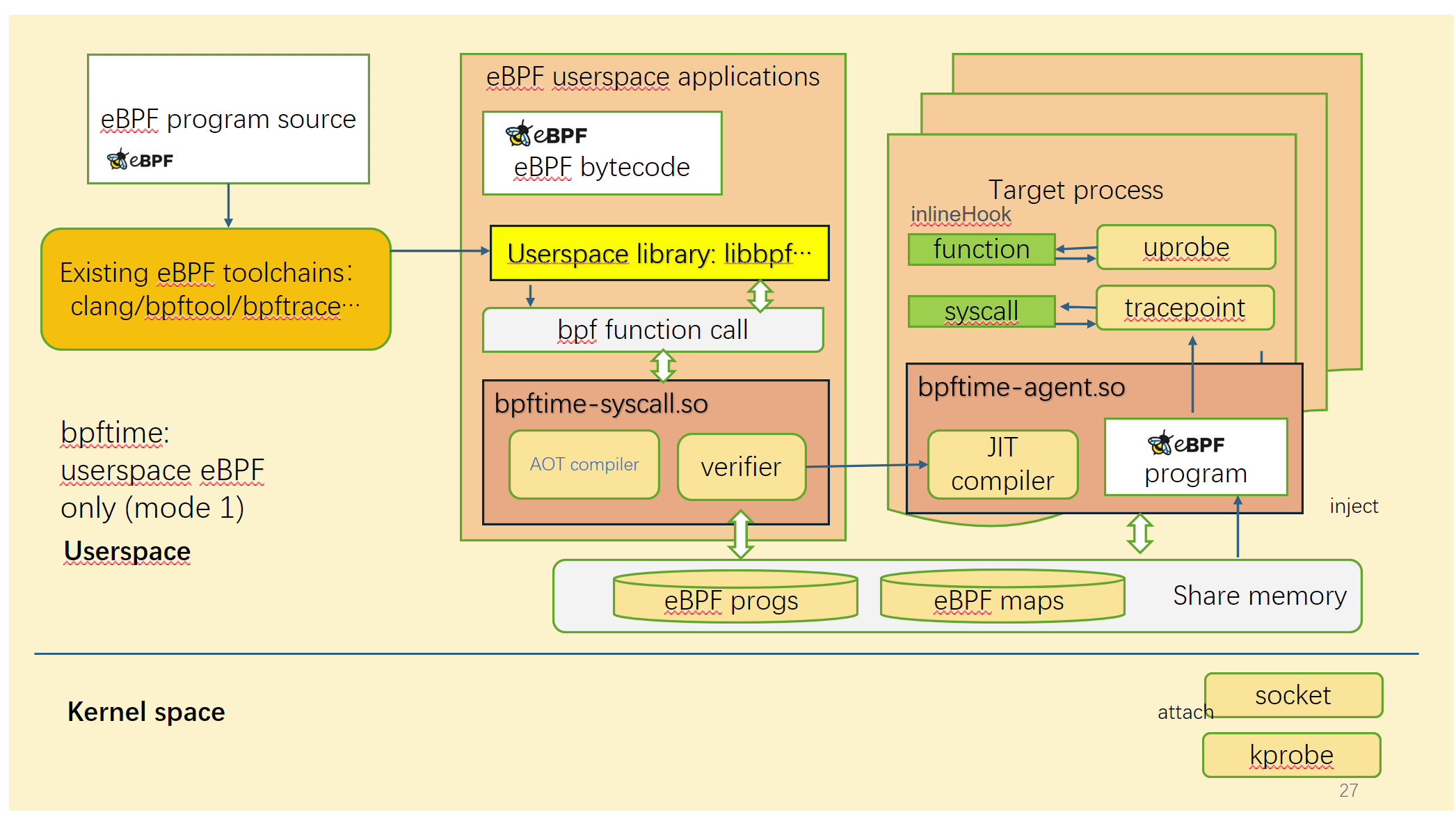
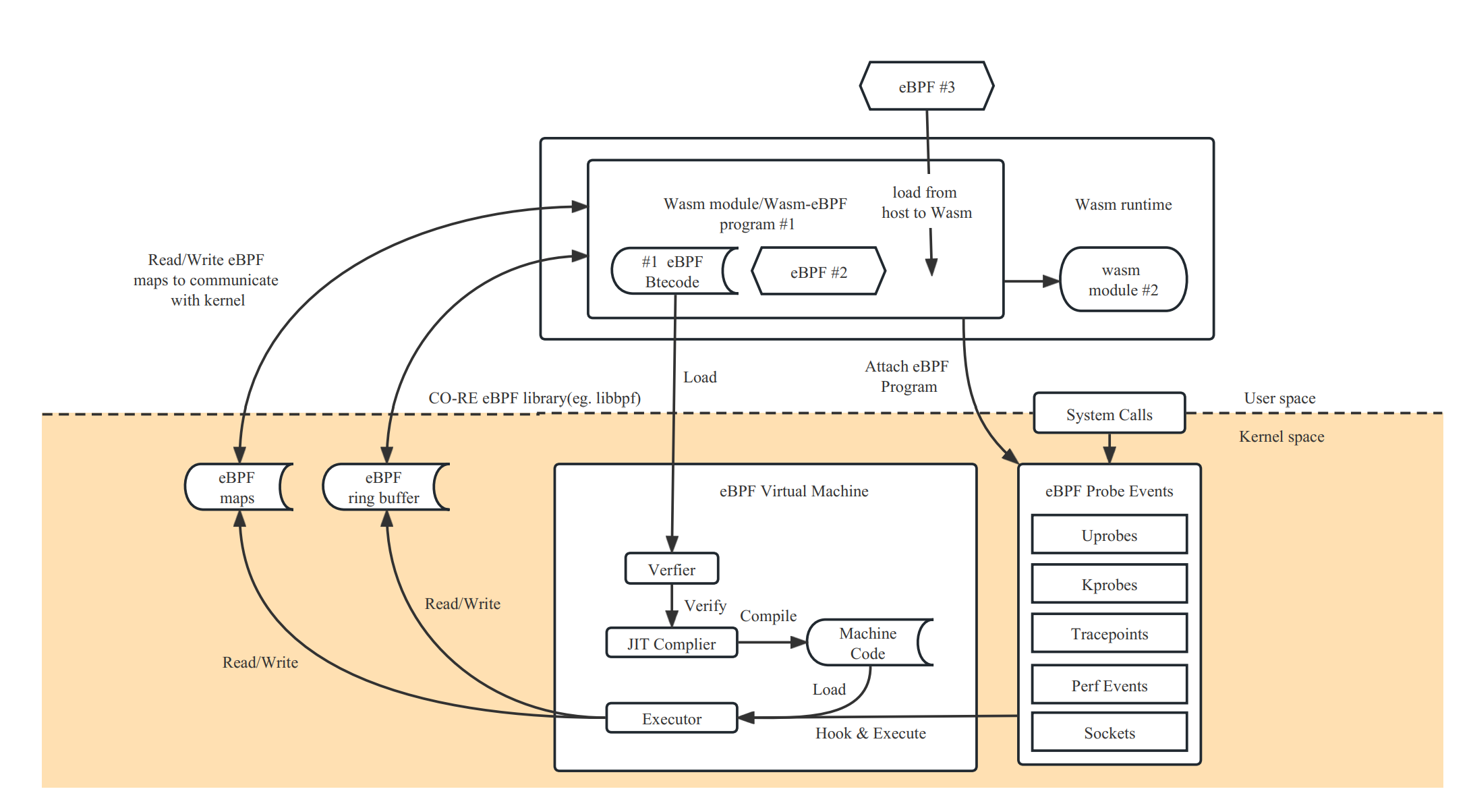
Run, instrument, and extend systems with userspace execution paths, GPU paths, JIT/AOT support, and deployment models that fit production tooling.
Open-source systems community
Open-source agent-native eBPF runtime infrastructure.
Runtime infrastructure, public resources, and AI agent systems define the work behind Eunomia.
Runtime extension
Run, instrument, and extend systems with userspace execution paths, GPU paths, JIT/AOT support, and deployment models that fit production tooling.
Resources
Maintain executable tutorials, documentation entry points, technical writing, and research artifacts for eBPF builders.
AI Agents
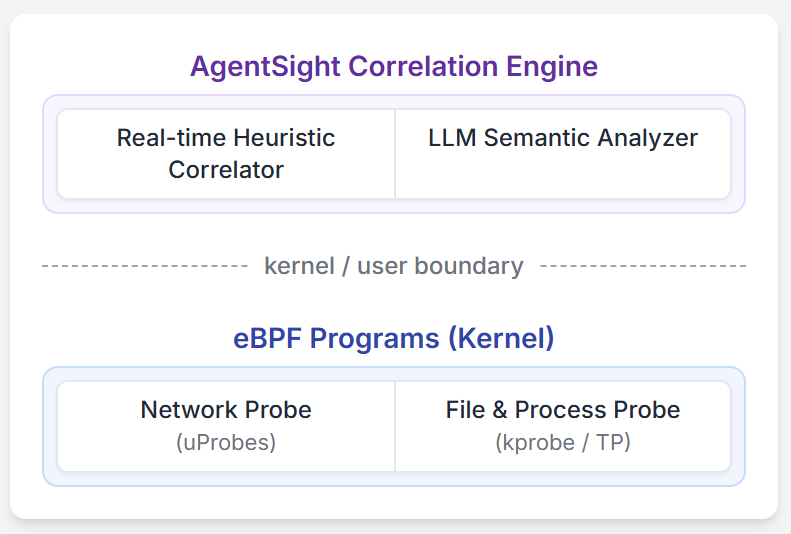
Zero-instrumentation, framework-agnostic visibility into what agents actually do, plus runtime enforcement for what they are allowed to do.
Open-source platform projects and public resources grouped by how people use them.
Execution engines, toolchains, runtime components, and low-level extension paths.
Tracing, observability, and safety work for AI agent systems.
Tutorials, documentation, blog posts, and research papers for eBPF builders.
Does moving a GPU server's request loop into the kernel save CPU?
bpf-gpu-server lets eBPF and iouring own the TCP path of a GPU server so that no user thread touches a request. Against an efficient epoll server driving the same GPU executor, its CPU use and latency matched the baseline. This post explains where the per-request cost actually goes.
When Does CPU Scheduling Help AI Inference?
CPU scheduling can become part of the AI inference critical path when host-side vLLM, GPU driver, IRQ, or NCCL work competes for CPU time. Experiments with Gthulhu, schedext, and DGX Spark show when it helps and when it does not.
Can a language model run in Linux eBPF?
Can Linux eBPF execute a real language model? A Qwen3-0.6B experiment shows exactly which work runs in the kernel, how fast it is, and why INT4 and arena memory remain open tradeoffs.